
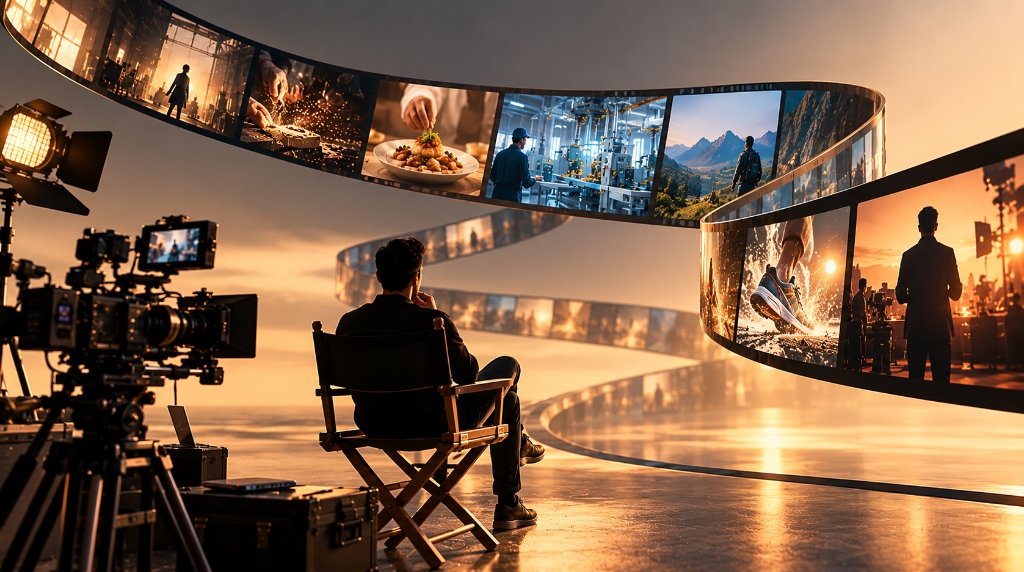
Consumers see countless advertisements every day. For brands, the challenge is no longer just reaching an audience. It is giving people a reason to pay attention, stay engaged, and remember the brand.
This is where OTT-style branded shows offer a different approach. Instead of relying entirely on promotional videos or conventional advertising, brands can become part of entertaining, informative, or emotionally engaging stories.
A brand-funded OTT show can help businesses communicate their expertise, demonstrate innovation, introduce their people, and build credibility through storytelling. The key is to create content that audiences find valuable—not an advertisement stretched into an episode.
What Are OTT-Style Branded Shows?
OTT-style branded shows are professionally produced entertainment or documentary formats developed with brand participation, sponsorship, or funding. They can be distributed on streaming platforms and extended through digital channels.
Unlike a conventional advertisement, a branded show builds its message around a narrative. A manufacturing company, for example, could showcase how an everyday product is engineered, tested, and manufactured instead of simply listing its features.
The brand remains central to the story, but the audience receives something more meaningful than a sales pitch.
This approach is particularly relevant to branded entertainment in India, where businesses across manufacturing, automotive, technology, healthcare, and consumer goods can use storytelling to explain complex products and build stronger brand associations.
Why Should Brands Invest in OTT-Style Shows?
1. Turn Brand Messages Into Stories
People need a reason to watch branded content. A strong story provides that reason.
Consider a renewable energy company. A conventional advertisement might highlight its technology and sustainability claims. A documentary-style episode could follow the journey from research and engineering to installation and real-world application.
The second approach gives viewers context, demonstrates expertise, and makes the brand's role easier to understand.
2. Build Credibility Through Transparency
For businesses selling complex or high-value products, credibility matters. Buyers may want to understand manufacturing standards, research capabilities, leadership vision, or operational quality before making a decision.
An OTT-style show can bring these details to the screen through facility footage, expert interviews, product demonstrations, and real processes.
The objective is not to claim that a brand is excellent. It is to show the evidence behind its claims.
3. Create Content With a Longer Shelf Life
A well-produced branded episode can have uses beyond its original streaming release. Subject to usage rights and distribution agreements, brands can repurpose suitable footage into social media clips, website videos, sales presentations, recruitment content, and corporate communications.
This creates opportunities to extend the value of the original production.
However, a longer shelf life does not automatically guarantee better returns. Performance depends on distribution, relevance, audience response, and how effectively the content supports business objectives.
How Can Brands Create an OTT-Style Show?
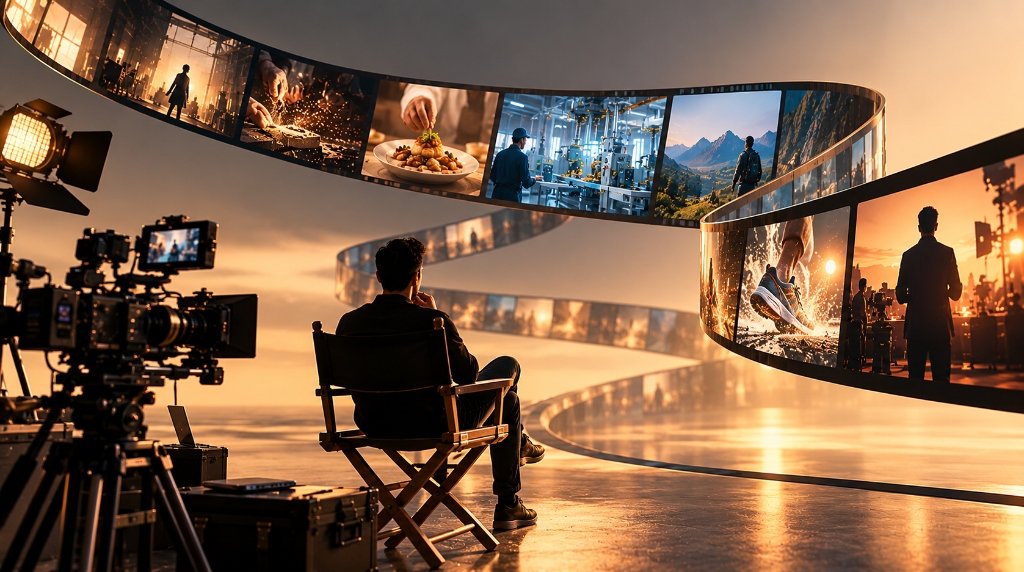
Building a successful show requires more than a production budget. It needs a clear strategy, a compelling concept, and a distribution plan.
Step 1: Define the Business Objective
Start by identifying what the show should achieve. Is the goal to strengthen brand credibility, explain a product category, improve corporate reputation, support lead generation, or communicate innovation?
A clear objective helps determine the show's format, audience, messaging, and success metrics.
Step 2: Identify a Story Worth Telling
The strongest concepts begin with a genuine story—not a list of brand messages.
A technology company could explore the problem its innovation solves. A consumer brand could reveal how a product moves from concept to production. A healthcare organisation could explain advances in medical technology through expert-led storytelling, while observing applicable privacy and regulatory requirements.
Ask: Would someone watch this story even if they were not already interested in the brand?
If the answer is no, the concept needs more work.
Step 3: Choose the Right Format
The format should match the story and the intended audience. Options include business documentaries, founder journeys, expert-led series, behind-the-scenes features, and episodic product or innovation showcases.
For instance, a manufacturer with a complex production process may benefit from a documentary format, while a brand built around leadership and entrepreneurship may be better suited to a founder-led series.
Episode length, language, visual style, host, and production quality should follow the concept—not the other way around.
Step 4: Select the Right Production and Distribution Partner
Creating an OTT-style branded show involves creative development, scripting, filming, editing, brand integration, and distribution planning. The production partner should understand both storytelling and the commercial objectives behind the project.
Distribution also deserves attention from the beginning. A show may be designed for an OTT platform, but its broader reach can depend on promotional support, short-form edits, social media, and other permitted distribution channels.
Explore Digikore Originals to understand its branded content formats and partnership opportunities.
Step 5: Integrate the Brand Naturally
Brand integration should strengthen the narrative rather than interrupt it.
A company logo or product placement can establish visibility, but the more valuable opportunity may be to demonstrate the expertise, people, technology, or process that differentiates the business.
The brand should have a meaningful role in the story. At the same time, the content must remain transparent about sponsorship and avoid unsupported claims.
Step 6: Measure What Matters
Views alone cannot establish whether a branded show has achieved its business objective.
Depending on the campaign, useful metrics may include:
- Reach and qualified viewership: Did the content reach the intended audience?
- Watch time and completion rate: Did viewers stay engaged?
- Brand lift and recall: Did audience perception or memory change?
- Engagement and traffic: Did viewers interact with the content or visit relevant pages?
- Business impact: Did the campaign contribute to qualified enquiries, sales conversations, recruitment interest, or other defined outcomes?
Set benchmarks before launch and evaluate results against the original objective.
A Real-World Example: Kaise Banta Hai
A practical example of branded entertainment in India is Kaise Banta Hai, a business documentary series produced by Digikore Studios and available on JioHotstar.
The series takes viewers behind the scenes of businesses, exploring the innovation, engineering, manufacturing, and people involved in making everyday products. Its official website reports three completed seasons and more than 30 featured brands.
Rather than treating every episode as a conventional advertisement, the format uses documentary storytelling to reveal what makes a business and its products distinctive.
For a manufacturer, this can provide a way to demonstrate operational capabilities. For a technology company, it can help explain the thinking and processes behind an innovation.
Explore the Kaise Banta Hai brand documentary series to see how business stories can become audience-facing content.
The Future of Brand Communication Is Story-Driven
An OTT-style show is not the right solution for every marketing objective. Brands seeking immediate conversions or short-term promotional reach may need other formats.
But when the objective is to communicate complexity, demonstrate expertise, or build long-term brand associations, OTT-style branded shows offer a compelling option.
The starting point is simple: identify a story only your brand can tell, produce it for an audience rather than an advertising slot, and distribute it with measurable business goals in mind.
For brands exploring this approach, Digikore Originals provides a starting point for understanding branded storytelling and potential show partnerships.
Frequently Asked Questions
1. What is a brand-funded OTT show?
A brand-funded OTT show is a series or programme financed wholly or partly by a brand through sponsorship, production funding, or a content partnership. The format combines brand objectives with entertainment, education, or documentary storytelling.
2. How much does it cost to produce an OTT-style branded show?
The cost depends on the format, episode count, filming locations, talent, production requirements, distribution arrangements, and promotional support. Brands should request a project-specific estimate rather than assume that every show requires the same investment.
3. How can brands measure the ROI of branded entertainment?
Brands can evaluate reach, watch time, completion rate, brand recall, engagement, website traffic, qualified enquiries, and other metrics aligned with their objectives. Combining audience data with business outcomes provides a more useful assessment than views alone.